Our Story
Get to know more about us
We are a young church that was formed and is continually being formed by the grace of God. In 2014, Daniel and Stephanie Englehart began sensing a desire to start a new church in South Sound. They spent 2015 learning from a new church in Seattle before being sent out with support from churches in Fremont, West Seattle, and Burien. In the Spring of 2016, a group of 12 people joined together and launched the church on Easter Sunday. As the church began to meet together each week, more individuals, couples, and families joined. Soon we moved from the Englehart's living room to Highline College.
Over the years we've gathered in different church buildings in Sea-Tac and Des Moines. In 2024, we were gifted with the church buildings and property of The Pointe Church (formerly First Baptist Church Federal Way). Our story is a story of the grace of God. Our heart is to be a community centered on the good news and teachings of Jesus. We want to help people love God and love their neighbors as themselves. By God's grace we will continue to grow in relationship with God, one another, and those in our community.
What We Believe
“So faith comes from hearing, and hearing through the word of Christ." - Romans 10:17
The Mountain Church believes that the historic Christian gospel is true, compelling, and transformative. We believe the Bible, God's Holy Scriptures, are true and sufficient. We believe being rooted in the Word of God, and centered on the gospel of Jesus, creates a new community of humility, grace, truth, and love.
Our Guiding Convictions
These convictions help outline the kind of church we are seeking to be. We desire to be abiding in God, teaching sound doctrine, welcoming in gentleness, sharing life together, growing in grace, going to make disciples, and collaborating in partnership for the glory of God. We pray we would be a church who not only confesses and teaches what accords with sound doctrine, but that we would embody a culture shaped by the gospel. We believe the gospel is made visible in the church. These convictions reflect the way in which our doctrine, mission, and practices come together in the life of our church.
Abiding in God: Gospel Centrality
We believe the person and work of Jesus is at the center of the Bible and that all of Scripture points to Jesus and His redemption of mankind on the cross. With this in mind, we strive to keep the gospel central in the life of our church. The gospel is not only received and communicated, but is that by which we stand (1 Corinthians 15:1-2). We believe that the gospel is not merely a truth that saves (once received and believed), but the very power of God to transform. Therefore, each week we gather to hear the gospel proclaimed. We want to see the gospel bear fruit and increase among us and through us (Colossians 1:6). We preach Christ through all of Scripture to find grace for all of life. The gospel is the power of God for salvation to everyone who believes (Romans 1:16). As the Apostle Paul demonstrates in his eagerness to preach the gospel to the Christians in Rome, we don’t want to move on from the gospel (Romans 1:15). We pray we would abide in the love of God and bear much fruit to the glory of God (John 15:1-17).
Teaching Sound Doctrine: Gospel Confession
We are to teach sound doctrine that agrees with the words of our Lord Jesus Christ and the teaching that accords with godliness (1 Timothy 6:2). We believe the Scriptures are both record and means of God’s saving work in the world. The sacred writings are complete in its revelation of God’s will for salvation, sufficient for all that God requires us to believe and do, and final in its authority over every domain of knowledge to which it speaks. We believe faith comes from hearing, and hearing through the word of Christ (Romans 10:17). The Word of God is living and active, discerning the thoughts and intentions of the heart (Hebrews 4:12). We want to be well acquainted with the sacred writings, which are able to make us wise for salvation through faith in Christ Jesus (2 Timothy 3:15). Since, “All Scripture is breathed out by God and profitable for teaching, for reproof, for correction, and for training in righteousness,” we read the Bible together and gather to hear expositional preaching each Sunday (2 Timothy 3:16). In His kindness, God has given us clear instruction in how we are to worship Him. We are to, “devote yourself to the public reading of Scripture, to exhortation, to teaching” (1 Timothy 4:13). Elders/pastors/overseers (all interchangeable words for the same office) are to preach the Word (2 Timothy 4:2). We are to, “Let the word of Christ dwell in you richly, teaching and admonishing one another in all wisdom, singing psalms and hymns and spiritual songs, with thankfulness in your hearts to God” (Colossians 3:16). We pray the Word, read the Word, sing the Word, hear the Word preached, and see the Word, (in baptism and the Lord’s Supper), to show that the Word of God is sufficient to save sinners and sustain the people of God.
Growing in Grace: Gospel Change
We are called to, “Grow in the grace and knowledge of our Lord and Savior Jesus Christ (2 Peter 3:18). We believe God uses His Word, shared in His way, through His people to bring change. Therefore we want to help each other grow deeper in believing the gospel, applying it to all of life, and praying for continued transformation so that God would be glorified. Jesus calls his disciples to learn from him (Matthew 10:28-30). We are lifelong learners and worshippers of God who seek to behold the glory of Jesus and be transformed from one degree of glory to another (2 Corinthians 3:18). We believe we have been saved by grace. It is a gift from God, not a result of works (Ephesians 2:8-9). We stand with our brothers and sisters in the tradition of the Reformation in believing salvation is by grace alone, through faith alone, in Christ alone, revealed in the Scriptures alone, for the glory of God alone. While the sovereign grace of God prohibits us from boasting in ourselves, effort, or works, it does not produce passivity or neglecting the command of Christ to make disciples of all nations. We confess God is sovereign in salvation, and at the same time that we as human beings make real choices for which we are morally responsible. We are convinced that a conviction in the doctrines of grace fuels missionary zeal. Understood rightly, they cultivate humility, assurance, joy, and unshakable hope that the gospel is the power of God for salvation (Romans 1:16). We can confidently, generously, and freely share the good news of great joy with all people knowing that the Word of God shall not return empty, but shall accomplish the purpose of God (Isaiah 55:11). We can joyfully seek to grow in grace because it was the grace of God that saved us, it’s the grace of God that has brought us safe thus far, and it is grace that will lead us home.
Welcoming in Gentleness: Gospel Culture
We believe as Jesus described his heart as “gentle and lowly,” the church is to let our reasonableness or gentleness be known to everyone (Matthew 11:29; Philippians 4:5). We are to walk in a manner worthy of the calling to which we have been called, “with all humility and gentleness, with patience, bearing with one another in love, eager to maintain the unity of the Spirit in the bond of peace” (Ephesians 4:2-3). We are to, “Welcome one another as Christ has welcomed us, for the glory of God” (Romans 15:7). In light of the gospel of Jesus Christ, all are welcome. The gospel enables us to welcome all people to gather with us, including those who don’t yet share our beliefs. We desire to be a learning community of grace who invite those wrestling through doubts or skeptical of the claims of Christ to gather with us. We seek to speak evil of no one, to be gentle, and to show respect toward all people (Titus 3:2). If one of our brothers or sisters is caught in any transgression, we will seek to restore him or her in a spirit of gentleness (Galatians 6:1). It is the kindness of God that is meant to lead us to repentance and we want to extend that kindness in our tone, posture, demeanor, and church culture to others (Romans 2:4). Jesus taught his disciples, “By this all people will know that you are my disciples, if you have love for one another” (John 13:35). We are convinced that neglecting to embody and reflect a culture shaped by the gospel undermines the gospel doctrine we claim to confess. We want to experience, share, and invite others into the grace of God for the undeserving in our joy, freedom, gentleness, patience, and honesty.
Sharing Life Together: Gospel Community
We believe as the early church was devoted to the apostles’ teaching and the fellowship, to the breaking of bread and the prayers, Christians are to be devoted to one another as expressed in meaningful church membership. Jesus and the New Testament authors point us toward church membership for our encouragement, protection, and instruction. We believe it is a joy and privilege to be engaged in a formal, mutually-recognized relationship with a local church. Our roots in the Baptist tradition inform our understanding of baptism and church governance. We believe baptism is a personal and public declaration of one’s faith in Jesus Christ. We believe the “keys of the kingdom” have been given to the church, therefore the assembled local congregation holds final earthly authority in church matters (Matthew 16:13-20). Elders and deacons of the church are to be set apart by the congregation and held accountable by the congregation. This elder-led congregationalism means the assembled congregation has formal authority to revoke unbiblical decisions from the elders. It is the assembled congregation that both welcomes and removes members in matters of church discipline (Matthew 18:15-20). We are convinced that a local church is one, unified assembly. We believe the beauty and unity of the body of Christ is best reflected in one assembly gathered together in one place at one time.
Going to Make Disciples: Gospel Commission
We believe Jesus has given us a mission to make disciples of all nations. Jesus commanded his disciples, “And Jesus came and said to them, ‘All authority in heaven and on earth has been given to me. Go therefore and make disciples of all nations, baptizing them in the name of the Father and of the Son and of the Holy Spirit, teaching them to observe all that I have commanded you. And behold, I am with you always, to the end of the age” (Matthew 28:18-20). We are to participate in an intentional, active role of helping others follow Jesus. God has prepared good works for us and we want to be helpers of others’ joy as we seek to do deliberate good to them (Ephesians 2:10). We believe the church is central to both missions and evangelism. God has given us clear instruction about the structure, order, and mission of the local church. We want to be faithful in the ordinary means of grace and not replace faithfulness with practices that seem to be more effective, immediate, sensational, convenient, or expedient.
Cooperating in Partnership: Gospel Collaboration
We believe that local churches are called to cooperate in partnership for the sake of the gospel. We desire to partner with other churches in the gospel to fund and support gospel ministry around the world. We see in the New Testament that churches worked together for the sake of missions and evangelism. Offerings were taken up for other churches, missionaries were sent out, and elders were appointed to strengthen the existing churches. We believe each church is to pray continually for the good and well-being of all the churches of Jesus Christ. Healthy churches want to support and strengthen each other. We aspire to share resources and pool resources together with like-minded churches to provide financial aid for church planters and missionaries. We seek to be generous with those who “have gone out for the sake of the name” (3 John 7-8). We want to work together to fulfill the Great Commission and further the increase of the gospel in the world.
About Our Pastor
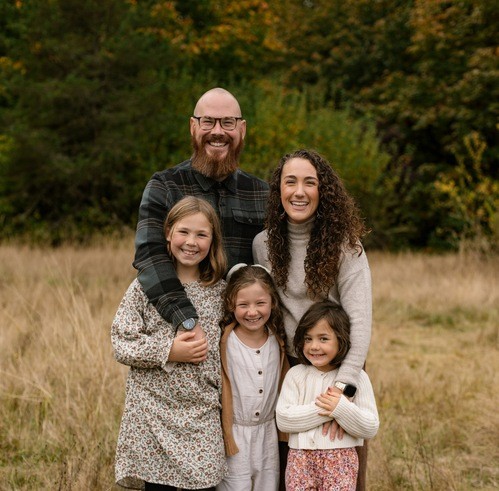
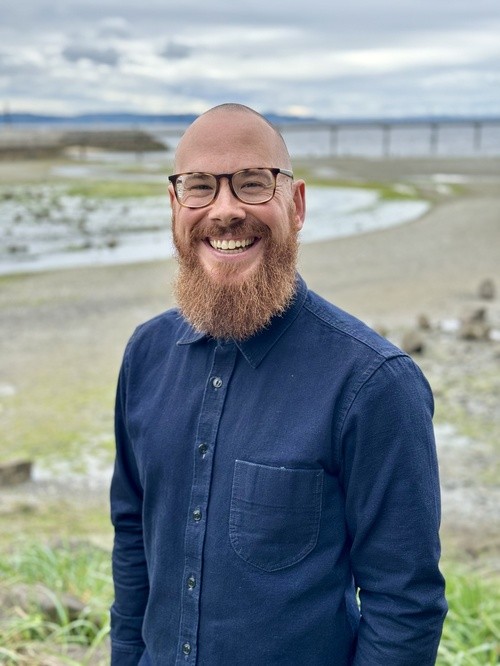
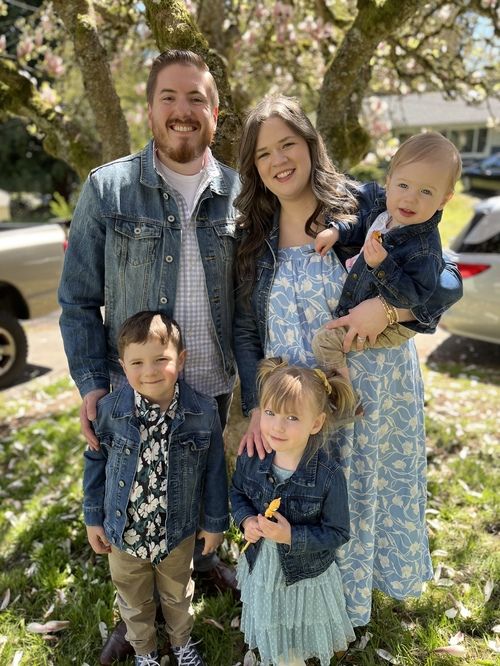
Daniel Englehart is the founding pastor of The Mountain Church. He grew up in West Seattle and would've rather done anything else than be a part of a church. Daniel loved playing sports, watching the Seahawks or Mariners, more than being with the church. It wasn't until high school that Jesus saved Daniel from the legalism and moralism he believed was "Christianity." Prior to faith in Jesus, he believed that his identify, worth, and goodness was found in what he did or did not do. The good news of Jesus has changed Daniel's life. He desires to grow in grace and wants others to experience the grace he's found in Jesus. Daniel and his high school sweetheart, Stephanie, have three young girls together.
Besides Jesus, his family, and the church, Daniel loves people and food, nachos in particular. He has a passion for helping others grow emotionally and relationally healthy. He's currently working towards a Master of Divinity with a concentration in Biblical Counseling. He enjoys counseling, listening to the stories of others, and helping people grow in grace.
Elders and Deacons
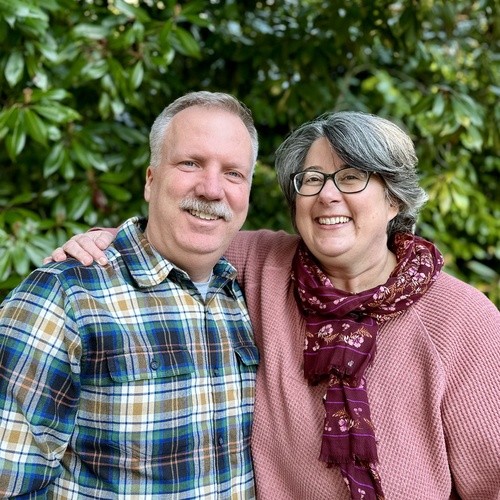
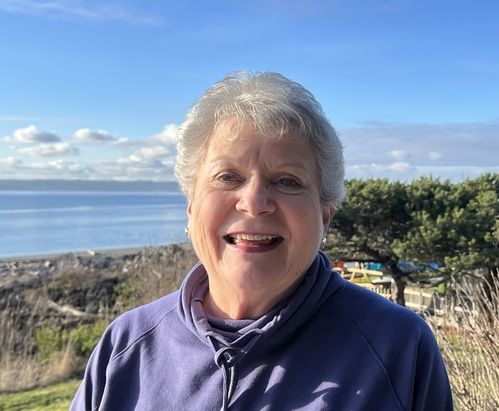
We believe that Jesus established two offices of the church: elders and deacons. Elders are entrusted with caring for and teaching the church. They exercise oversight and shepherd the flock of God. They serve as examples as they demonstrate the character, convictions, and conduct of Jesus. Deacons are lead servants of the church. They support the work of the elders, allowing them to focus on the ministry of the Word and prayer. They show the love of Jesus in meeting practical and tangible needs.

Phil Damron
Deacon

Daniel Englehart
Elder

Cary Jester
Elder

Marilynn Jovanovich
Deacon
Peter Jovanovich
Deacon
Ben Swarner
Deacon
Our Name
In the Bible, mountains were often places where people encountered and experienced God. Throughout the biblical narrative, the glory of the Lord, (meaning the presence of His infinite and supreme greatness, worth, and beauty), is described as coming down on the mountain. God would reveal himself, offer instruction, and dwell among his people. Ultimately, the very image of the glory of God came down to the earth and was made manifest to his people in Jesus. In the gospel narratives, Jesus taught his disciples, communed with the Father, and commissioned the apostles on a mountain. Jesus came to make encountering and experiencing God possible through his life, death, and resurrection.
The name for The Mountain Church came out of this imagery and symbolism. We aspire to be a church where all people can encounter, experience, and enjoy God in Jesus. Just as Mount Rainer's iconic beauty can be viewed all around the Puget Sound and South King County, we pray the Mountain Church will be a city on a hill, a contrast-community, to share our passion for Jesus and show the difference the gospel makes.
Our Partnerships
We are thankful to get to partner alongside other ministries, non-profits, schools, and networks to work together for the good of others and the flourishing of our community. Listed below are different organizations that we are affiliated with, recommend, support, or serve in our community.
Ellensburg Counseling endeavors to meet people where they are at, attend to the clinical issues and symptoms they are feeling and share the hope that can only come from Christ through grace centric counseling, rooted in the gospel.
Christa Stamper is a biblical counselor who walks alongside people facing life’s challenges with wisdom, compassion, and the hope of God’s Word. She seeks to provide thoughtful, Christ-centered care.
Des Moines Food Bank
Providing food for families in need
The Des Moines Food Bank exists to provide emergency food service to those who need in the cities of Des Moines, most of Seatac, and the South Hill of Kent. We serve with the food bank to deliver meals to those in need who are unable to come to the food bank.
Lighthouse Northwest
Breaking the cycle of domestic abuse
one relationship at a time
Lighthouse Northwest exists to break the cycle of domestic abuse one relationship at a time by providing resources, services, and support to families who have experienced abuse and by activating the community to participate in prevention and intervention. We have partnered with Lighthouse to serve in their domestic abuse recovery program.

PSBA and NWBC
Cooperating in Partnership
We partner with the PSBA and NWBC to seek to catalyze healthy, fruitful leaders and churches. We pray and learn with other churches and networks to work together in strengthening local churches. We want pastors and churches to be healthy in the Puget Sound. We believe there is great benefit in collaborating together to see the gospel bear fruit and increase among us.